Rhinoplasty Recovery Guide
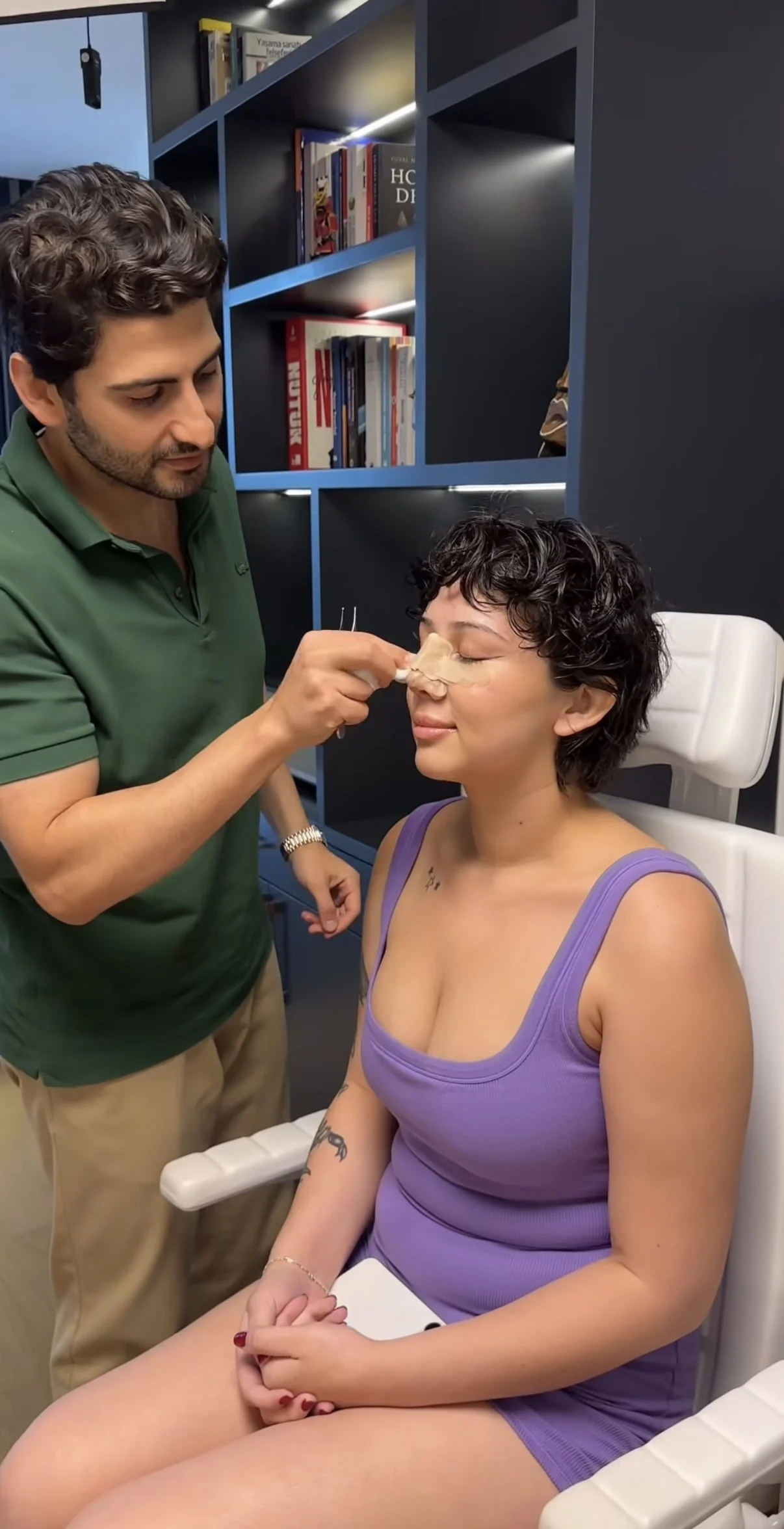
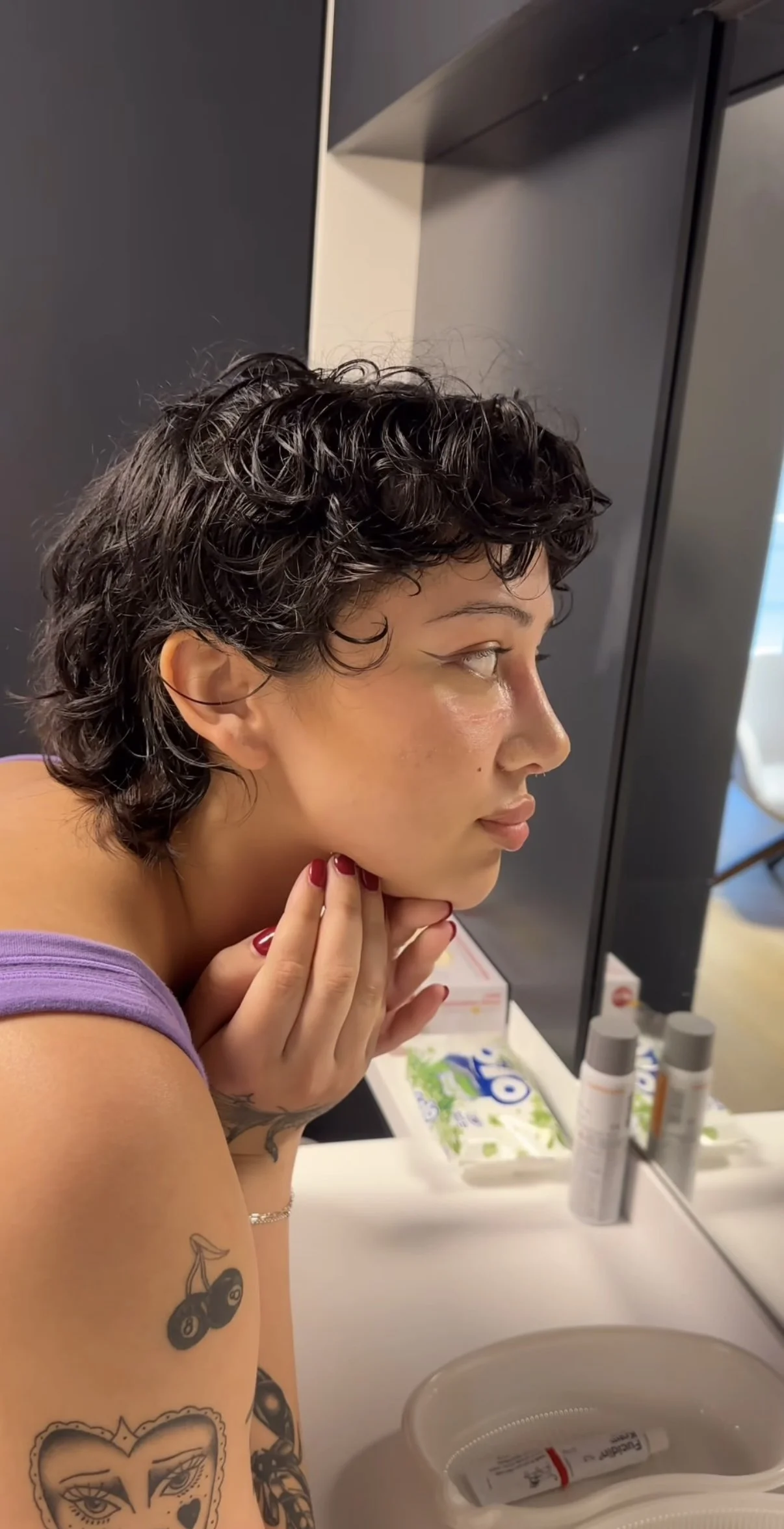
Everything you need to know about healing after rhinoplasty, from the first day through your final result.
Whether you’ve had primary or revision rhinoplasty, understanding the recovery process can help you feel more confident throughout your healing journey. While every patient heals differently, this guide explains what you can generally expect after surgery and answers many of the most common recovery questions.
Your Recovery Timeline
Healing after rhinoplasty is a journey that continues well beyond the day your cast is removed. While you’ll begin to notice changes within the first few weeks, the nose continues to refine over many months as swelling gradually resolves and the tissues settle into their final position.
Recovery varies depending on your anatomy, skin thickness, healing response, and whether you’ve undergone primary or revision rhinoplasty. Although everyone’s experience is unique, the timeline below provides a general overview of what most patients can expect.
Day of Surgery
After your rhinoplasty procedure, you’ll spend time recovering under medical supervision before returning to your accommodation to rest.
During the first 24 hours, it’s completely normal to experience:
Nasal congestion
Mild discomfort or pressure
Swelling around the nose and eyes
Small amounts of drainage
Feeling tired from anesthesia
During this time we recommend:
Resting as much as possible
Keeping your head elevated, even while sleeping
Staying well hydrated
Taking medications exactly as prescribed
Applying cold compresses around (not directly on) the nose if instructed
Although you may not feel like yourself immediately after surgery, these early symptoms are a normal part of the healing process.
Days 1-3
The first few days are typically when swelling and bruising become most noticeable. Your nose may feel congested, and breathing through the nose can be difficult due to internal swelling.
Many patients also notice:
Swelling around the cheeks and eyes
Bruising beneath the eyes
Tightness around the nose
Temporary numbness around the tip
This stage is temporary and expected.
To support your recovery:
Continue sleeping with your head elevated.
Take short, gentle walks around your room or home.
Stay hydrated.
Eat nutritious meals.
Avoid bending, lifting, or strenuous activity.
Continue following your post-operative instructions carefully.
Days 4-7
By the end of the first week, many patients begin to feel more comfortable. Bruising often starts to fade, and swelling gradually becomes easier to manage.
Although your nose is still healing, you may notice:
Improved comfort
Less bruising
Reduced facial swelling
Increased energy
Continue to:
Avoid strenuous exercise.
Protect your nose from accidental bumps.
Keep your cast clean and dry.
Walk daily at a gentle pace.
Maintain a healthy diet and good hydration.
Approximately one week after surgery, you’ll return to the clinic for your follow-up appointment.
One Week
By the end of the first week, many patients begin to feel more comfortable. Bruising often starts to fade, and swelling gradually becomes easier to manage.
Although your nose is still healing, you may notice:
Improved comfort
Less bruising
Reduced facial swelling
Increased energy
Continue to:
Avoid strenuous exercise.
Protect your nose from accidental bumps.
Keep your cast clean and dry.
Walk daily at a gentle pace.
Maintain a healthy diet and good hydration.
Approximately one week after surgery, you’ll return to the clinic for your follow-up appointment.
Managing Swelling
Swelling is a completely normal part of the healing process after rhinoplasty and changes throughout recovery. It often varies from day to day, and it’s common for one side of the nose to appear more swollen than the other during healing.
Most swelling gradually improves during the first few months, while subtle refinement—particularly around the nasal tip—can continue for up to a year or longer.
Many patients notice that swelling is:
More noticeable in the morning
Worse after salty meals
More pronounced after increased physical activity
Different from one side of the nose to the other
These changes are usually a normal part of healing.
To help minimize swelling:
Sleep with your head elevated.
Stay well hydrated.
Limit excessive salt intake.
Avoid smoking and nicotine products.
Follow your post-operative instructions.
Be patient with the healing process.
Healing cannot be rushed. Every patient’s timeline is unique, and gradual improvement over time is completely expected.
Sleeping After Rhinoplasty
Sleeping correctly during the early stages of recovery helps protect the nose and may help reduce swelling.
For the first stage of healing, patients are generally advised to sleep on their back with their head elevated using two or more pillows or a wedge pillow.
During this time, try to avoid:
Sleeping on your side
Sleeping on your stomach
Putting pressure on the nose
Accidentally bumping your nose while sleeping
Many patients find that using a travel pillow helps keep their head comfortably supported during the first week.
As healing progresses, Dr. Kiral will let you know when it’s appropriate to gradually return to your normal sleeping position.
Washing Your Face & Hair
During the first week, it’s important to keep your nasal cast clean and dry while allowing the surrounding skin to heal naturally.
You may gently cleanse your face, taking care to avoid putting pressure on the nose or getting the cast wet. Using a soft cloth or cotton pad around the cheeks and forehead can help keep the skin clean while protecting the surgical area.
Hair can usually be washed carefully by leaning backward, similar to washing your hair at a salon, to prevent water from running over the cast.
After your cast has been removed, you can gradually return to your normal skincare routine. Continue to be gentle around the nose and avoid unnecessary pressure while the tissues continue to heal.
If you have any questions about skincare products, makeup, or facial treatments during recovery, our team will be happy to provide personalized guidance based on your stage of healing.
Exercise After Rhinoplasty
Returning to physical activity after rhinoplasty should be a gradual process. Although you may begin feeling much better within the first week, your nose is still healing internally. Giving your body time to recover is an important part of achieving the best possible result.
Light walking is encouraged during the early stages of recovery, as it helps promote healthy circulation and supports the healing process. Light exercise may be resumed after the first week, however, activities that significantly raise your heart rate or place pressure on the healing nose should be avoided until Dr. Kiral advises it is safe to resume them.
General Guidelines
Take gentle walks beginning in the first few days after surgery.
Avoid strenuous exercise during the early stages of recovery.
Avoid activities with a risk of contact or injury to the nose.
Return to exercise gradually and follow your personalized recovery instructions.
Every patient heals differently. Dr. Kiral will provide guidance based on your individual procedure and recovery progress.
Flying After Rhinoplasty
Many of our patients travel to Istanbul from around the world for rhinoplasty. One of the most common questions we receive is when it is safe to fly home.
Patients typically stay in Istanbul for approximately one week. This allows time for surgery, initial healing, and a follow-up appointment where Dr. Kiral removes the cast and evaluates your recovery before you travel.
Although your nose will still be swollen when you return home, this is completely normal. Healing continues gradually over the following months, and our team remains available to answer your questions throughout your recovery.
Before You Fly Home
Attend your scheduled follow-up appointment.
Have your cast removed and your healing assessed.
Stay well hydrated before and during your flight.
Avoid lifting heavy luggage whenever possible.
Continue following your post-operative instructions after returning home.
Wearing Glasses After Rhinoplasty
During the early stages of recovery, it’s important to avoid placing unnecessary pressure on the bridge of the nose while the bones and tissues continue to heal.
If you wear prescription glasses or sunglasses, Dr. Kiral will advise you when it is appropriate to begin wearing them again based on your individual recovery.
Some patients who already wear contact lenses choose to use them temporarily during this period. If this is an option for you, it can be discussed during your consultation.
Although this stage is temporary, following your recovery instructions carefully helps protect the healing nose and supports the best possible long-term result.
Diet & Hydration
Good nutrition plays an important role in the healing process after rhinoplasty. While there are no special diets required, eating balanced meals and staying well hydrated can support your body’s natural recovery.
During the first few days after surgery, many patients find it most comfortable to eat soft, nutritious foods while focusing on adequate hydration.
We recommend:
Drinking plenty of water throughout the day.
Eating protein-rich foods to support healing.
Including fresh fruits and vegetables in your meals.
Limiting foods that are very high in salt, which may contribute to temporary swelling.
Avoiding smoking and nicotine products during recovery.
Healthy habits won’t eliminate swelling, but they can support your body’s natural healing process and help you feel your best during recovery.
Returning to Work
When you can return to work depends on the type of work you do and how you’re feeling during recovery.
Many patients with office-based or remote jobs feel comfortable returning to work within one to two weeks after surgery. If your job involves heavy lifting, strenuous activity, or a higher risk of accidental contact with your nose, you may need additional time before returning.
Although you may feel well enough to resume your daily routine, it’s important to remember that your nose continues to heal internally for many months.
If you’re unsure when it’s appropriate to return to work, Dr. Kiral will provide personalized guidance based on your occupation and recovery.
Returning Home
Returning home is an exciting milestone, but it doesn’t mark the end of your recovery. Healing continues gradually over the following months, and our team remains available to support you every step of the way.
Before leaving Istanbul, you’ll attend your follow-up appointment with Dr. Kiral, where your cast will be removed and your healing carefully assessed. You’ll also receive personalized aftercare instructions before your journey home.
Even after you’ve returned home, you’re never alone in your recovery. Our team provides ongoing support through WhatsApp, and virtual follow-up appointments may be arranged when appropriate.
Long-Term Healing
Rhinoplasty is a procedure that continues to improve over time. While you’ll notice significant changes after your cast is removed, the nose gradually refines as swelling continues to resolve.
Every patient heals at a different pace, but the following timeline provides a general idea of what to expect.
One Month
Most bruising has resolved, and much of the initial swelling has improved. You’ll begin to see the new shape of your nose, although refinement is still ongoing.
Three Months
The bridge and profile often appear more defined as swelling continues to decrease. Many patients feel increasingly confident in their results during this stage.
Six Months
The nose continues to soften and refine. The overall appearance becomes more natural as healing progresses.
One Year
Most patients have reached their final result. The nose has fully settled, with improved definition and a balanced, natural appearance.
Patience is one of the most important parts of rhinoplasty recovery. Allowing your body the time it needs to heal is essential to achieving the best possible outcome.
Recovery Do’s & Don’ts
Following your post-operative instructions is one of the best ways to support a smooth recovery. Although every patient’s healing journey is unique, these simple guidelines can help protect your nose while it heals.
Do
✓ Sleep with your head elevated during the early stages of recovery.
✓ Take gentle walks each day to promote circulation.
✓ Stay well hydrated.
✓ Eat a healthy, balanced diet.
✓ Take medications exactly as prescribed.
✓ Attend all scheduled follow-up appointments.
✓ Protect your nose from accidental bumps or pressure.
✓ Contact our team if you have any questions or concerns during recovery.
Don’t
✗ Return to strenuous exercise too soon.
✗ Lift heavy objects during the early stages of healing.
✗ Smoke or use nicotine products.
✗ Wear glasses before Dr. Kiral advises it is safe.
✗ Sleep on your stomach or place pressure on your nose.
✗ Compare your recovery to someone else’s—every patient heals differently.
Questions About Rhinoplasty Recovery?
Recovery after rhinoplasty is a gradual process, and every patient heals at their own pace. By following your personalized post-operative instructions, maintaining healthy habits, and allowing your body the time it needs to recover, you can support a smooth healing journey and enjoy the long-term results of your procedure.
If you ever have questions during your recovery, Dr. Mehmet Nurettin Kiral and our team are here to provide guidance and support every step of the way.