Revision Rhinoplasty in Istanbul

Specialized nose surgery for patients seeking correction, refinement, or improved breathing after a previous rhinoplasty.
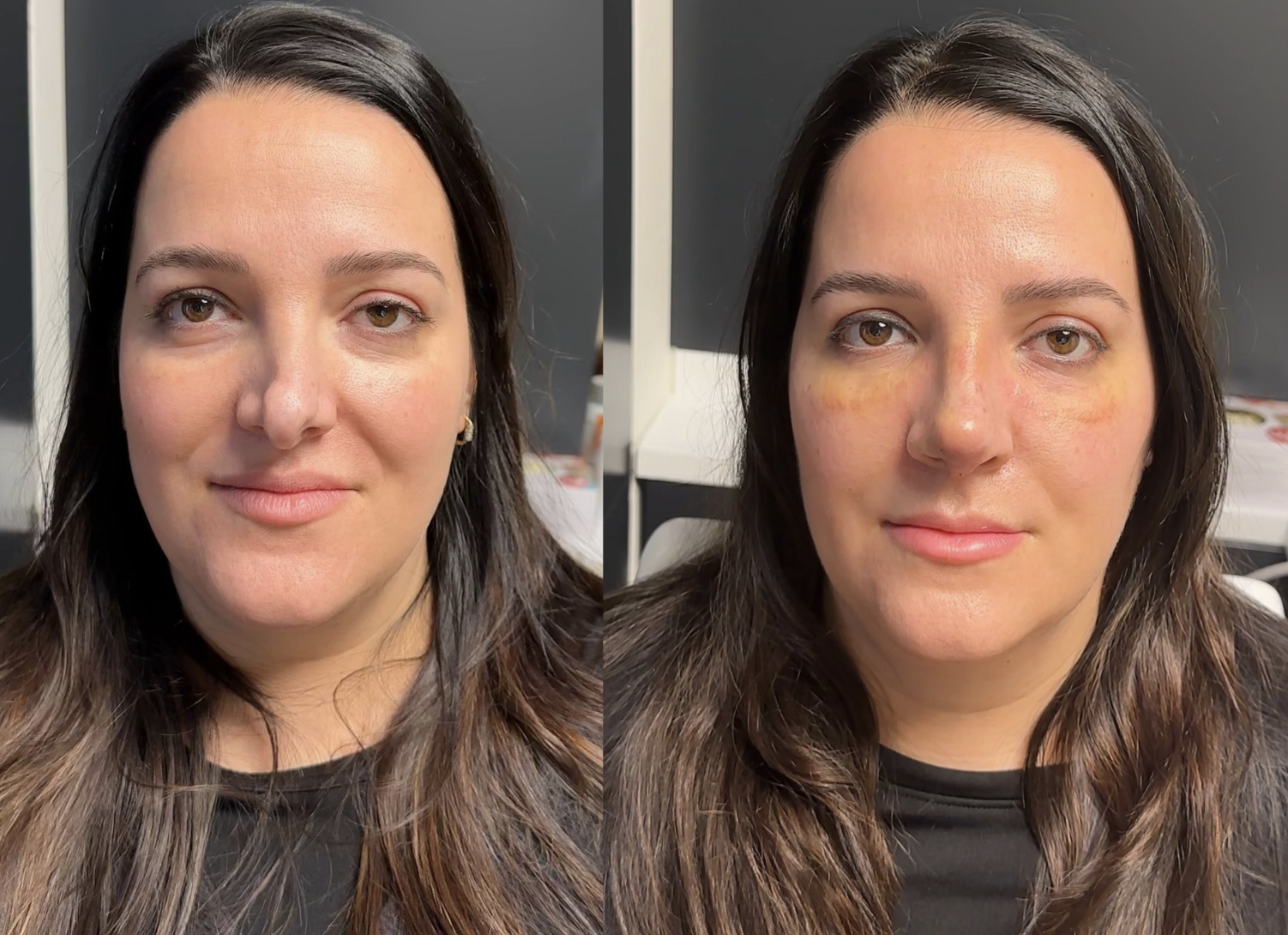
Dr. Mehmet Nurettin Kiral is an ENT surgeon and rhinoplasty specialist in Istanbul who performs revision rhinoplasty for patients who have previously undergone nose surgery and are seeking further correction. Revision rhinoplasty may address concerns such as asymmetry, changes in nasal shape, structural weakness, scar tissue, breathing difficulties or an unsatisfactory previous result.
Each revision case is evaluated individually because previous surgery can significantly alter the anatomy and support of the nose. Dr. Kiral personally assesses the patient’s nasal structure, breathing, previous surgical changes and aesthetic goals before developing a tailored surgical plan focused on natural-looking results, facial harmony and long-term function..
What Is Revision Rhinoplasty?
Revision rhinoplasty, sometimes called secondary rhinoplasty, is nose surgery performed after a previous rhinoplasty. It may be needed to correct aesthetic concerns, improve breathing, restore support, or refine the shape of the nose after the first surgery.
Revision cases are often more complex than primary rhinoplasty because the nasal structure may have already been altered. Scar tissue, weakened cartilage, asymmetry, or breathing problems can make careful surgical planning especially important.
Why Revision Rhinoplasty Requires Extra Planning
Revision rhinoplasty is usually more technically demanding than a first rhinoplasty. Because the nose has already been operated on, the surgeon must work with existing changes, scar tissue, and sometimes weakened cartilage or reduced structural support.
In some cases, additional support may be needed to improve the shape and function of the nose. The exact surgical plan depends on the patient’s anatomy, prior surgery, breathing function, and desired outcome. For this reason, revision rhinoplasty should be approached with patience, realistic expectations, and a strong focus on long-term stability.
Why Patients Choose Revision Rhinoplasty
Patients may consider revision rhinoplasty for different reasons. Some are unhappy with the appearance of their nose after the first surgery, while others experience functional concerns such as difficulty breathing or loss of nasal support.
Common concerns include:
A nose that looks overdone or unnatural
Persistent dorsal hump or irregular bridge
Drooping or overly lifted nasal tip
Pinched or collapsed nasal appearance
Asymmetry from the front or profile
Breathing difficulty after rhinoplasty
Pollybeak deformity or excess swelling-like fullness
Visible irregularities or contour problems
A result that does not suit the patient’s face
Desire for a softer, more balanced, or more natural result
Who is a Good Candidate for Revision Rhinoplasty?
Revision rhinoplasty may be suitable for patients who have had a previous rhinoplasty and are still concerned about the appearance, structure, or function of their nose.
You may be a candidate if:
You are unhappy with the result of a previous rhinoplasty
Your nose looks too artificial, small, pinched, or unbalanced
You have breathing difficulty after previous nose surgery
Your nasal tip has dropped, rotated too much, or lost support
Your bridge has irregularities, asymmetry, or remaining fullness
Your nose does not feel harmonious with your face
You have realistic expectations about what revision surgery can achieve
Enough time has passed since your previous rhinoplasty for the nose to heal properly
In many cases, patients are advised to wait until the nose has fully healed before considering revision surgery. This timeline may vary depending on the first procedure and the patient’s healing process but is usually one year after your previous surgery.
Your Revision Rhinoplasty Consultation
A revision rhinoplasty consultation is especially important because every patient’s previous surgery and healing history is different. During consultation, Dr. Kiral evaluates the nose from both an aesthetic and functional perspective.
The consultation may include discussion of:
What concerns you after your previous rhinoplasty
What you liked or disliked about your original result
Breathing function and nasal obstruction
Skin thickness and scar tissue
Tip support and bridge structure
Facial proportions and profile balance
Previous surgical records or photos, if available
Realistic goals for improvement
Patients are encouraged to share previous photos, current concerns, and examples of the type of result they feel drawn to. Dr. Kiral then explains what may be realistically achievable based on the existing nasal structure.
Breathing Function After Previous Rhinoplasty
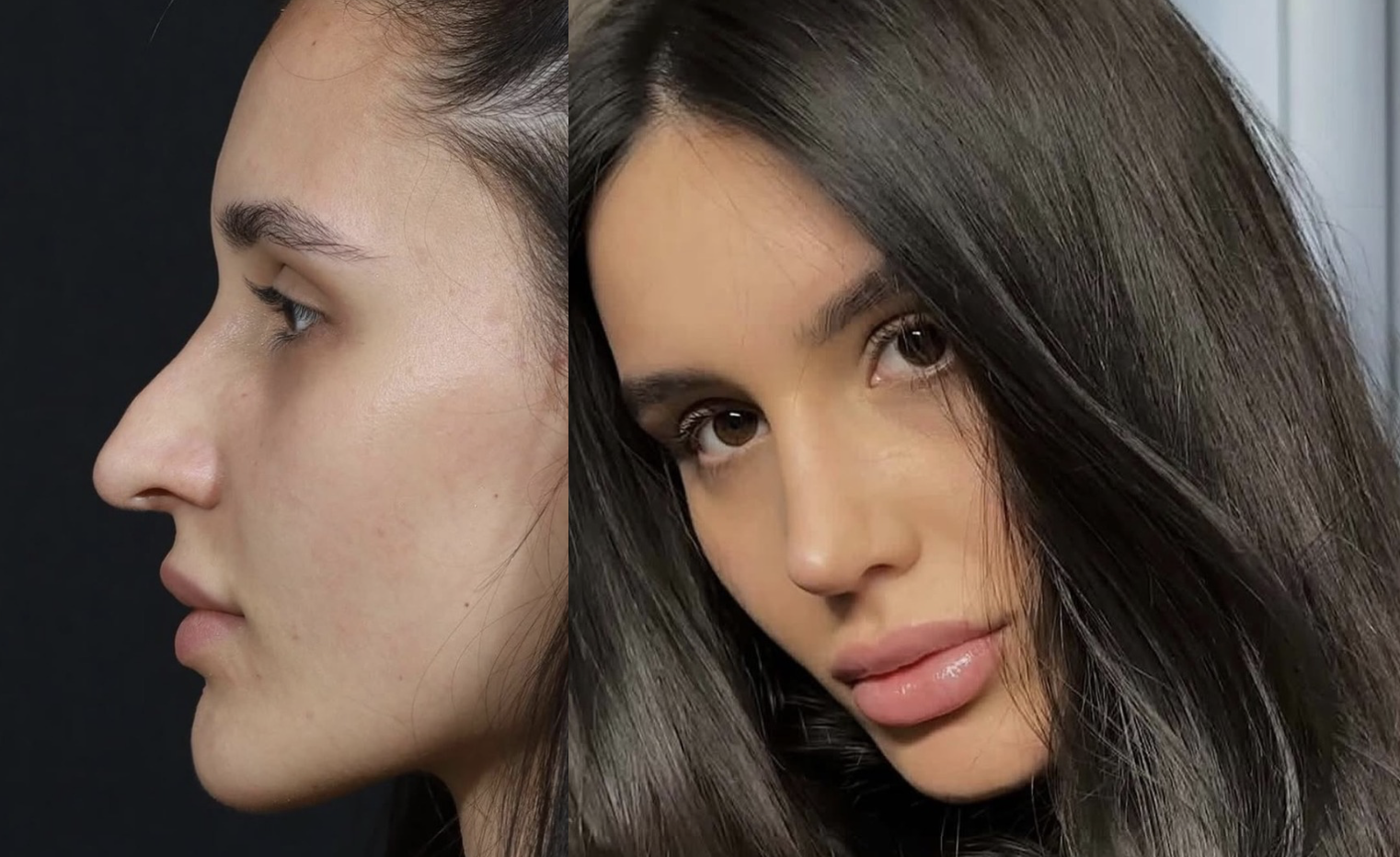
Some patients seek revision rhinoplasty because their breathing changed after a previous surgery. As an ENT surgeon, Dr. Kiral places strong importance on nasal function and evaluates whether internal structural issues may be contributing to obstruction or discomfort.
When appropriate, functional concerns may be addressed as part of the revision plan, with the aim of improving airflow while maintaining or restoring a natural external appearance.
Dr. Kiral welcomes international patients seeking revision rhinoplasty in Istanbul, Turkey. The process can begin with an online consultation, where patients may discuss their concerns, share photos, and receive guidance before traveling.
Because revision cases can be more complex, international patients are encouraged to provide as much information as possible about their previous surgery, including older photos, surgical notes if available, and details about breathing concerns.
Traveling to Istanbul for Revision Rhinoplasty
Considering Revision Rhinoplasty?
Revision rhinoplasty is a personal and important decision. If you are unhappy with the appearance or function of your nose after previous surgery, Dr. Mehmet Nurettin Kiral and his team can help you understand your options with honest guidance and individualized planning.